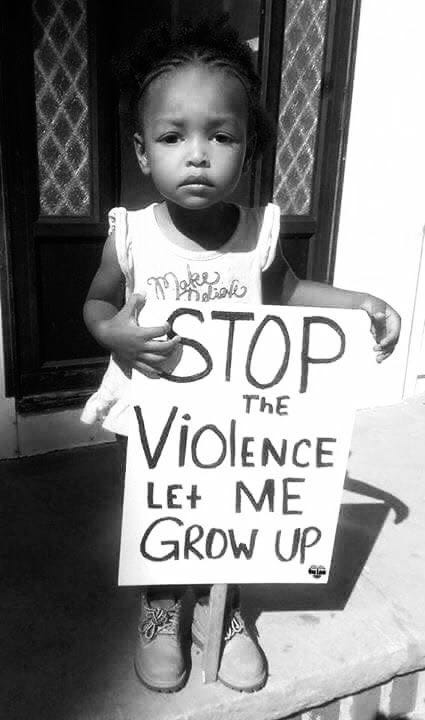
There’s a question nobody in mainstream political commentary wants to ask too directly, because the answer is too uncomfortable.
If the United States, or the West more broadly, was genuinely motivated by a commitment to human rights when it targets regimes like Iran, why does that same moral urgency evaporate the moment you point the lens somewhere less convenient?
Let’s be direct about what’s actually happening.
The Humanitarian Justification Has Always Been a Costume
When Western governments build a case for military action, sanctions, or regime destabilisation, the language of human rights is never far behind. Women’s oppression. Brutal crackdowns. Authoritarian control.
Whilst these are real for those living inside of its brutality, it is not why the US and Israel are interested in Iran.
The selective application of outrage reveals that the suffering itself is not the point, it is the justification.
Iran gets the full treatment: sanctions, covert operations, and open calls for regime change, with women’s rights cited prominently in the case.
Saudi Arabia, which forbade women from driving until 2018, still operates a male guardianship system, and executed 196 people in 2022 alone, receives arms deals, diplomatic protection, and state visits.
The difference isn’t the human rights record. The difference is oil, regional alliances, and strategic positioning.
If the moral case were real, it would be consistent. It isn’t. And that inconsistency isn’t a bug in the foreign policy machine, it’s the feature.
The Problem Closer to Home
Here’s where the argument becomes even harder to ignore.
The United States has a well-documented, deeply institutional problem with child exploitation, trafficking, and the protection of powerful abusers. Jeffrey Epstein didn’t operate in a vacuum— he operated within a network of powerful people, many of whom have faced no legal consequence. With the new release of files which include Trump, we can now also assume his involvement, too (although it was screamingly obvious).
Institutional child abuse within the Catholic Church took decades of pressure before any serious reckoning. Trafficking networks operate with relative impunity in cities across America.
If the US was so concerned about abuse of women and the innocent, they would be addressing this issue in their own home territory first.
If the political will existed to confront abuse and exploitation with the same force and funding directed at foreign adversaries, it would look very different.
What This Reveals About Power
This isn’t a simple left vs. right argument. Governments across the political spectrum engage in this behaviour. It is a structural feature of how powerful nations operate:
- Moral language is a tool of legitimacy, not a genuine constraint on action.
- Intervention happens where there is strategic interest, and humanitarianism provides the PR cover.
- Domestic failures are deprioritised when foreign threats offer more political capital.
This doesn’t mean every instance of foreign pressure is cynical, or that no good ever comes from it. It means we should be deeply sceptical any time a government claims it is acting primarily out of moral concern , especially when that concern is applied so unevenly.
The Ask
Stop accepting the humanitarian framing at face value.
Ask who benefits. Ask what’s not being said. Ask why this regime and not that one. Ask why the urgency overseas never seems to generate the same urgency at home.